
 EN
EN

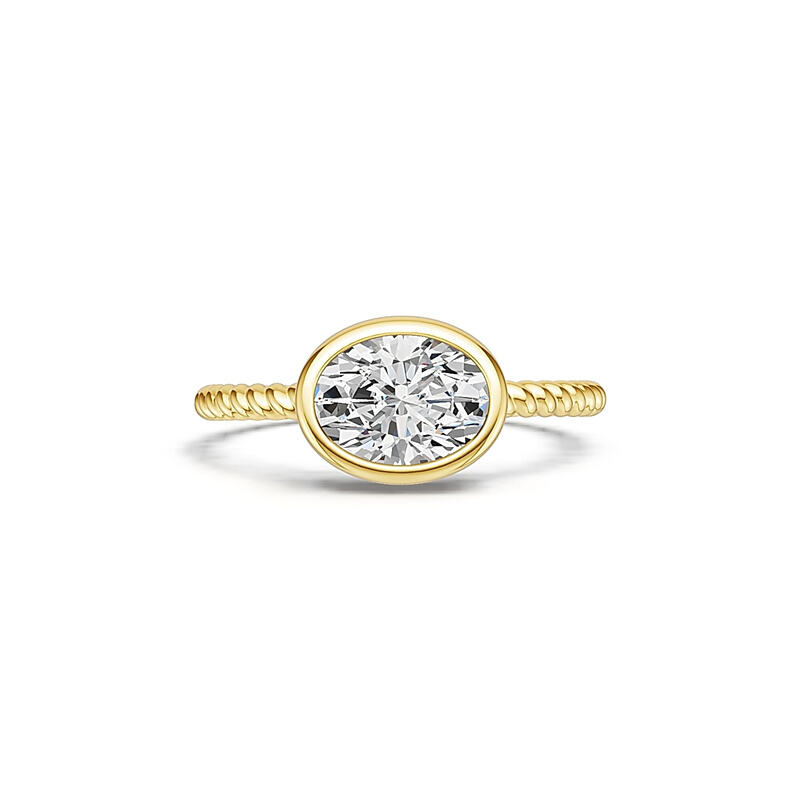
Two big ideas crop up when discussing making products: low-volume manufacturing and high-volume manufacturing. At Gemnice, we both ways of making items and there are good things and bad in each. Small batch production is about making fewer items at a time, and large volume production is more about getting lots of items made in the shortest amount of time. Knowing the differences can help businesses decide on the best method for making what they need. This decision can affect how much money they earn and how happy their customers are. Today, we’re exploring WHY small batch production can be fantastic for wholesale buyers and how business owners actually make more money by choosing the right production size.
What are the Advantages of Small Batch Production for Wholesale Purchasers?
Small batch jewelry production definitely has pros for wholesale buyers. A company such as Gemnice, producing fewer items, can afford to focus on quality. Every piece can be crafted with greater attention, and that leads to fewer errors. Wholesale buyers are looking for products that both work and look good. In limited quantities, makers are able to focus on those details. That’s significant because if a product fails, it does credit damage to both the maker and the buyer. Another advantage comes from the greater flexibility of small batch production. “It’s easier to do things that are something special, unique design if you only have a small amount,” she said. If a store, for instance, needs a special color or new style that is not typically created, Gemnice can modify the production swiftly. This customization is a big draw for many wholesale buyers. They can do something unique for their customers and differentiate themselves in the market. Small batch production also allows companies to take a gamble on new ideas without taking huge risks. If a new product doesn’t sell, that’s not much of a loss because very few have been made. This minimizes waste and allows companies to learn quickly what works and what doesn’t. Ultimately, small batch production not only delivers better quality and customization, it also helps businesses to evolve quickly according to what its customers want.
Small vs Large Order: How to Maximise Profit Margin?
For such businesses, finding ways to maximize profit margin is a top priority whether they're dealing with small batch or high volume orders. For companies like Gemnice, the approach can vary by type of production. With small batch manufacturing, the costs may be more expensive per product due to the fact that fewer products are being made at a time. But this can be covered up by pricing higher for special pieces, quality stuff. Buyers are usually willing to pay more for items with unique features or that stand out in some way. As such, small run manufacturing can actually result in better profits. Conversely, high volume manufacturing typically lowers the cost per item due to manufacturing a higher number of parts at one time. This may attract purchasers in search of lower prices, but competition can be steep. With large volumes the greatest mint of money is made by those who can most carefully economies in production. They should consider everything from materials to labor to make sure they are not paying too much. Another important factor is marketing. Storytelling about the products can attract more customers, whether for small or large productions. Demonstrating how things are made, particularly in small quantities, can establish a bond between sellers and customers. This link can create loyalty and repeat buyers. Lastly, companies must constantly be mindful of trends. Knowing what customers like can guide decision making between small batches and large volumes. With intelligent planning and a deeper knowledge of the market, organizations can strike a balance that optimizes profit margins while keeping the customers happy.
Challenges of Small Batch vs. Large Volume Production
When it comes to producing products, there are generally two ways that companies can do so in small batches and at large volumes. Each is fraught with its own difficulties. In the case of small batch production this is a common problem. Because each batch is produced one at a time, it’s also easy for things to be different from one batch to the next. Handmade Just as a company that likes to say it makes handmade jewelry, when you make something by hand, the colors or shapes may not look exactly alike every time they make up another batch. This can be confusing for customers who are used to an item looking the same every time. Another downside of small batch production: It can be time consuming. Production bogs down, given that each small batch must be attended to scrupulously. That means if an item, like the most sought-after ring from Gemnice Jewelry, experiences a sudden high demand, it may take longer to produce enough for everyone who wants to purchase it. Now, however, large volume production comes with its own challenges. Quality control is a huge issue. When producing many of an item at the same time, it is much harder to reliably inspect each one. And when something goes awry in the big machines that are used for production, ruined products can accumulate quickly. For instance, if Gemnice ever blew up production and decided to make thousands of necklaces, they could end up overlooking some errors that would be more noticeable in a small batch. Moreover, large volume manufacture may also be wasteful. If a company creates too many things that do not sell, it might need to throw them out or dispose of them in other ways. Aside from being bad for the company, it is bad for the environment.
Deciding Between Small Batch and Mass Production
For companies like Gemnice, it can be a tough decision to make between small batch and large volume production. You need to be thoughtful on the needs of customers and the objectives of a company. For one thing, businesses need to focus on their sales figures. If they notice that customers are placing a lot of orders for one product in rapid succession, it may make sense to switch to mass production to keep up with demand. For example, if a new type of bracelet suddenly becomes very popular, Gemnice could consider producing more of it to ensure everyone who wants one can buy one. But if the product is more specialized or has a limited consumer base, small batch production may be the way to go. This process gives you a little more room for creativity and special touches that customers may adore. Next, companies need dot take stock of what they have available. For high-production volume, there’s more initial investment necessary to purchase special machines and materials. Infinite Abyss is a way to avoid monetary risk up front and get started small if Gemnice doesn’t have much money to invest at the beginning. Finally, entrepreneurs need to consider branding. If Gemnice wants to be recognized for special, handmade products, small batch production fits that branding best. Conversely if the goal is to be recognized for being affordable and approachable, maybe mass production is where they can shine. Ultimately, it’s a balance between what customers want and what the company can deliver.
Sourcing High-Quality Small Batch Products
When you desire to sell quality small batch products, there are great places to find them. The number of local artisans and small shops is so high that produce wonderful products that you can resell in your business. As an example, Gemnice might contact the local jeweler makers or jewelry crafter located who make beautiful hand made jewelry. The best thing to do is to visit handicraft fairs or markets where you can actually see their products. This not only helps in boosting the economy of the locality, but also allows Gemnice to carry certain products that a customer cannot get anywhere. Or you can check online. Many websites include home processor products. Such platforms tend to have an abundance of products, be it clothing or home decor that is made in limited quantities. Gemnice has the option of searching these sites to identify products to match their brand and image. The advocates believe that quality is vital when examining checks and ratings. It is also good to network with more business owners. Otherwise, they can get acquainted with not yet famous suppliers (or home cooks who make in small quantities). It could lead to fantastic collaborations with these creators. And then finally, it is always good to always enquire on how the items are being made. The information about the production process will assist Gemnice in ensuring that they are trading in quality products with individuals who embrace their values. Small batch product world is excellent where quality and quirkiness is the best and Gemnice can detect crazy things with the correct system.